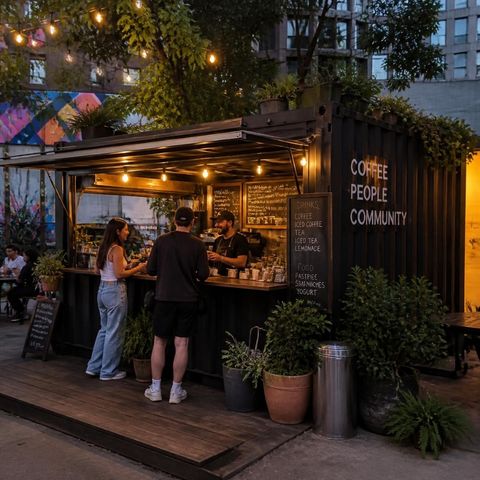
A used forty foot container costs a fraction of what a comparable stick built structure costs per square foot, and it arrives already weathertight. That math is why commercial uses for shipping containers keep expanding across the Kansas City metro, from coffee kiosks on high traffic corners to secure equipment storage on farm ground. The catch is that the container is the cheap part. What determines whether the project pencils out is the foundation, the utilities, and the permit path.
Here are five applications that consistently work, and what each one actually requires.
1. Drive-Thru Coffee Shops and Food Kiosks
This is the most visible commercial container application and the most demanding one. A twenty foot container gives about 146 square feet of interior floor space, roughly seven feet eight inches wide once you account for wall thickness. That is enough for a two person espresso operation with a service window on each side, but not much more.
The container itself is rarely the obstacle. Food service is. A commercial kitchen or beverage operation triggers plumbing requirements for a three compartment sink, a separate handwashing sink, a grease interceptor depending on the menu, and a floor drain. Water and sewer connections mean trenching, which means the site work often costs more than the box.
Traffic flow is the second constraint. A drive-thru lane needs stacking depth so vehicles queue on the property rather than the street, along with entry and exit points that satisfy the city or county traffic review. Corner lots and repurposed gas station parcels work well for this reason. They already have curb cuts.
What to plan for
- Health department review: plan submittal happens before construction, not after.
- Electrical service: espresso machines, refrigeration, and HVAC on one small footprint add up fast. Undersizing the panel is a common and expensive mistake.
- Insulation: steel walls sweat. Closed cell spray foam is standard because it insulates and controls condensation in one application.
- Window and pass-through cuts: every opening removes structural steel and requires reinforcement around the perimeter.
2. Retail Pop-Ups and Storefront Expansion
Containers work well for retail that needs presence without a lease. Seasonal operations, brand activations, farmers market stalls, and outdoor extensions of an existing storefront all fit the format. The steel shell locks down completely at close, which removes the security problem that plagues tent and trailer setups.
The regulatory question is whether the structure is temporary or permanent. A container placed for a defined season under a temporary use permit follows a much lighter path than one set on footings and connected to utilities, which the building department treats as new construction. That classification drives everything downstream, including accessibility requirements, occupancy limits, and whether a certificate of occupancy is needed.
For multi unit retail villages, containers stack. They are engineered to stack while loaded, which is why a two level configuration is structurally straightforward as long as the corner castings carry the load and the cuts stay away from the corner posts.
3. Jobsite Offices and Equipment Storage
Contractors, landscapers, and excavation crews use containers because they solve two problems with one purchase. The box stores tools securely and, with a door and a window cut in, doubles as a site office. When the job ends, a roll off truck moves it to the next site.
This application has the lowest barrier to entry. A container used purely for storage and set on gravel or blocks often does not require a building permit at all, though many jurisdictions regulate placement, screening, and how long it can sit. Rules vary by city within the metro, so verify with the local development services office before delivery.
Once the container is occupied as an office, the calculation changes. Occupied space brings egress, lighting, ventilation, and often a permanent foundation into scope.
Practical considerations
- One trip containers cost more than used cargo boxes but arrive without dents, rust, or unknown cargo history.
- Original container flooring is marine plywood treated with pesticides. Replace it for any occupied use.
- Ventilation matters even in storage use. Sealed steel traps humidity and rusts tools.
- Ground contact accelerates corrosion. Set the container on blocks or a gravel pad with drainage away from the base.
4. Agricultural Storage, Cold Storage, and Farm Retail
Rural properties across Jackson and Cass counties use containers for secure storage of tools, feed, chemicals, and equipment. The appeal is theft resistance and rodent resistance, both of which a pole shed struggles with. A locked steel box with a proper lockbox over the handles is a hard target.
Cold storage is the higher value application. Insulated containers, sometimes called reefers, hold produce, meat, and dairy at temperature for growers who sell direct to market. An operating refrigeration unit draws significant power, so a dedicated circuit and often a generator backup are part of the budget. Growers who only need short term holding sometimes insulate a dry box and add a wall unit instead, which cuts equipment cost but performs poorly in a Missouri August.
Roadside farm stands are the third variation. A container opens on one side, closes completely at night, and requires no seasonal teardown. Zoning is the thing to verify first, since retail sales on agricultural ground may require a conditional use permit depending on the county.
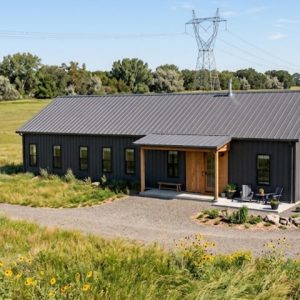
For operations that need real span and headroom, a container stops making sense. Equipment that requires clear width or overhead height points toward a purpose built structure, which is where barndominium builders and agricultural steel buildings take over.
5. Workshops, Utility Enclosures, and Secure Inventory
The fifth category covers everything that needs a hardened box on a commercial site. Generator and compressor housing, pump and well enclosures, welding bays, parts storage for auto shops, and controlled inventory storage for distributors all use containers effectively.
These applications suit the format because they need security and weather protection more than they need daylight, open span, or aesthetics. Ventilation and heat management are the primary engineering concerns. Equipment generating heat inside a sealed steel enclosure needs louvers, exhaust fans, or active cooling sized to the load.
Fire separation is worth checking early. Enclosures housing fuel, generators, or flammable inventory carry setback and rating requirements that vary by occupancy classification and by how close the enclosure sits to other structures.
What Every Container Project Requires
The five applications differ in complexity, but the underlying requirements are consistent.
Foundation
Containers bear load at the four corner castings, not along the base rails. That means four properly sized piers or a slab with load points at the corners, with footings extending below the local frost line. Skipping this on an occupied structure leads to differential settlement and doors that will not close. Concrete foundation work is the item most often underestimated in a container budget.
Structural modification
The corrugated side walls carry vertical load. Cutting a door or window removes that capacity locally, and the opening has to be framed with tube steel or angle to restore it. The more openings, the more reinforcement, and at a certain point the modification cost passes what a conventional structure would have cost from the start.
Insulation and condensation
Steel conducts heat and collects condensation on the interior surface during Kansas City winters. Closed cell spray foam is the standard solution because it insulates and acts as a vapor barrier in one step. Framed batt insulation requires furring the walls, which eats interior width on an already narrow footprint.
Permits
Requirements differ across the metro. Kansas City, Overland Park, Olathe, and the unincorporated county areas each handle container structures differently, and some jurisdictions restrict them by zoning district or require exterior cladding for aesthetic compliance. Confirm before purchasing the container, not after it is delivered.
When a Steel Frame Building Is the Better Choice
Containers win on cost per square foot at small scale. That advantage narrows quickly as square footage grows, because each container adds only about 146 or 300 square feet of interior space and joining them requires cutting out sidewalls and adding structural columns and beams to replace what was removed.
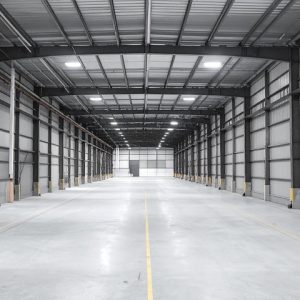
Past roughly 1,000 square feet, or any time the use needs clear span, overhead doors, or ceiling height above roughly eight and a half feet, purpose built steel frame buildings deliver more usable space for the money with fewer engineering workarounds. The decision point is usually width. Containers are eight feet wide on the outside and under eight feet inside, less once insulation goes on. If the operation needs more than that uninterrupted, container construction is fighting the format.
Conclusion
Shipping containers earn their place in commercial construction when the application is small, secure, and mobile.
- Coffee kiosks and food service work well, but health department plumbing and drive-thru traffic review drive the timeline.
- Retail pop-ups benefit most from the temporary use permit path, which is far lighter than permanent construction.
- Jobsite offices and storage carry the lowest regulatory burden and the fastest deployment.
- Agricultural storage and cold storage deliver strong returns for growers, provided power supply is planned correctly.
- Utility and equipment enclosures need ventilation engineering more than anything else.
In every case the container is the smallest line item. Foundation, utilities, insulation, and permitting decide whether the project works.