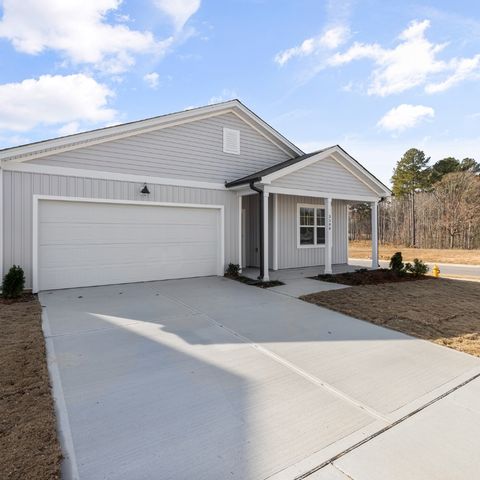
A concrete driveway is one of the biggest investments you can make in your home’s exterior. In Kansas City, winters bring hard freezes and summers push past 90 degrees, so durability comes down to more than the concrete itself. It depends heavily on how the driveway was installed and how well it is maintained over the years.
This article covers the realistic lifespan of a concrete driveway in the KC area, what shortens that lifespan, and the warning signs that tell you it is time to repair or replace.
Average Concrete Driveway Lifespan
A properly installed and maintained concrete driveway typically lasts 25 to 50 years. In the Kansas City climate, a homeowner who invests in correct installation and routine upkeep can reasonably expect 30 or more years of reliable service.
That range is wide for a reason. Lifespan comes down to three things more than anything else. The quality of the base preparation, the concrete mix used during the pour, and how the surface is treated over time.
What the Kansas City Climate Does to Concrete
The KC metro sits in a freeze-thaw zone, one of the harshest environments for any concrete surface. The cycle works against a driveway in four stages.
- Water enters hairline cracks or surface pores in the slab
- When temperatures drop below freezing, that water expands
- The expansion applies pressure from inside the concrete
- Over many cycles, this causes surface scaling, spalling, and deeper cracking
Kansas City averages around 20 to 30 freeze-thaw cycles per winter. A driveway poured over a weak sub-base or sealed incorrectly will show damage years ahead of one where those details were handled right from the start.
Summer heat adds a second problem. Without proper control joints, the cut lines that divide a driveway into sections, the slab has nowhere to expand and will crack unpredictably.
Factors That Shorten Concrete Driveway Lifespan
Poor installation accounts for most early concrete failures. The most common culprits are listed below.
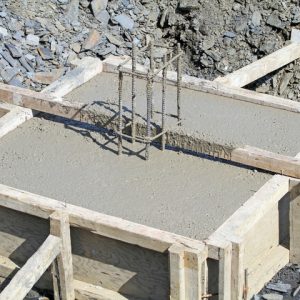
- Inadequate sub-base compaction, which leads to settling and cracking under load
- Concrete poured too thin. Residential driveways should be at least 4 inches thick, and 5 to 6 inches where heavier vehicles park regularly
- No control joints, or joints cut too late in the curing process
- Deicing salts applied directly to the surface, which speed up deterioration
- Tree roots growing beneath the slab and pushing upward over time
- Heavy vehicle traffic the driveway was never designed to handle
Using road salt or rock salt is one of the most common mistakes KC homeowners make. The chlorides in those products soak into the surface and attack the concrete from within. Sand or a calcium magnesium acetate product is much safer for concrete.
How to Extend the Life of Your Concrete Driveway
The single highest-impact step is sealing. A quality sealer closes surface pores, reduces water infiltration, and protects against damage from oil, salt, and road runoff.
- Seal a new driveway around 30 days after the pour, once the concrete has fully cured
- Reseal every 2 to 3 years depending on traffic level and weather exposure
- Fill small cracks promptly before freeze-thaw cycles widen them
- Keep drainage sloped away from the home so water never pools on the slab
- Avoid parking heavy equipment or oversized vehicles on a residential-grade pour
When to Repair and When to Replace
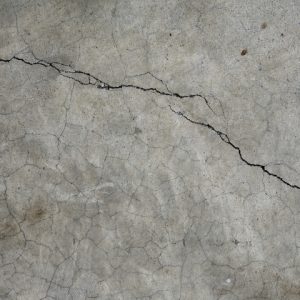
Not every flaw means the driveway has to come out. Surface spalling, cracks under a quarter inch wide, and minor discoloration are usually repairable.
Replacement becomes the right call in these situations.
- Cracks are wide, deep, or running through the full thickness of the slab
- Sections have settled or shifted to different heights, known as differential settling
- The surface is crumbling across large areas rather than isolated spots
- Repeated repairs have not solved the underlying problem
A contractor should always check the sub-base before any replacement. If the base has failed, new concrete poured over it will fail the same way within a few years.
The Right Contractor Makes the Difference
A driveway that lasts 30 to 40 years is no accident. It comes from proper base compaction, the right mix for the job, control joints placed at correct intervals, and a finish built for the Kansas City climate. Our concrete services cover driveways, patios, sidewalks, and flatwork, all installed with the prep and precision that decide how long the work holds up.
If the driveway is part of a larger update to your property, our premium home renovations team can help you plan the full scope. Contact A.I. Building Solutions for a free estimate and we will assess whether a repair or a full replacement is the right move.