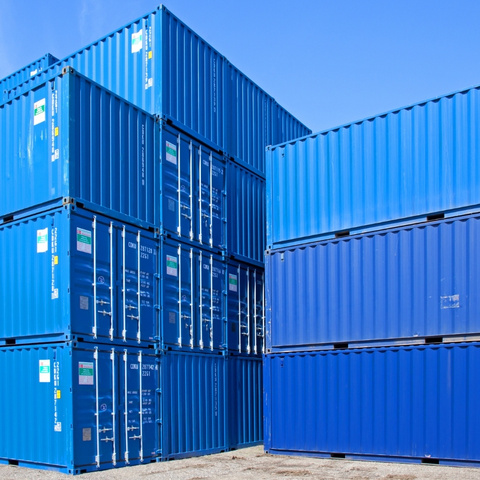
Building with shipping containers has moved from a niche experiment to a common sight: backyard offices, pop-up cafes, job-site storage, and full homes all built from the same steel boxes that cross the ocean. The trend is real, and so are the reasons behind it. This article breaks down what is driving the surge, and where the advantages hold up against the hype.
A Surplus That Made Them Available
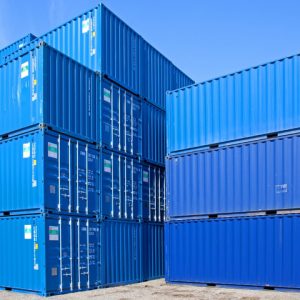
The first driver is supply. Global trade retires a steady stream of containers, and post-pandemic shifts left ocean shipping with structural overcapacity heading into 2026. When freight slows, used containers collect at inland depots and prices soften, which puts rugged steel shells within reach of builders and homeowners. Grades also give buyers a range of price points, from newer one-trip units down to cargo-worthy and as-is boxes with more wear. Availability stays regional, though. Markets near major ports see better selection, while inland buyers factor in delivery and repositioning costs.
Speed and Standard Sizes
A container arrives as a finished structural shell, so much of the work happens in a shop rather than on site. Factory modifications and rapid assembly cut build time compared with conventional framing, and shop-based work keeps a project moving through weather that would stall a stick-built site. Standardized ISO dimensions help too: every 20-foot box delivers about 146 square feet of floor space and lines up predictably, which makes combining several units into a larger footprint straightforward for a designer.
Durability Built In
Shipping containers are made from Corten weathering steel and engineered to survive years at sea, stacked and loaded, through salt air and storms. That makes a used box a tough starting point, a structural shell already built to take abuse. It resists corrosion better than ordinary steel, and the frame carries load well as long as the original structure stays intact.
Flexibility for Homes and Business
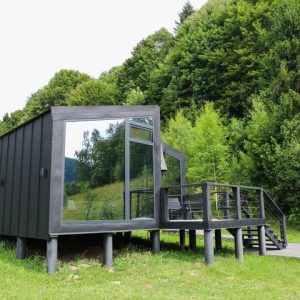
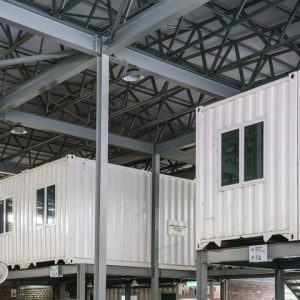
Containers adapt to a wide range of uses, which is a big part of the appeal. Homeowners turn them into accessory dwellings, guest suites, and full houses. Businesses use them for offices, pop-up retail, concession stands, secure on-site storage, and modular expansions. For a growing business, a container office or retail unit can open in a fraction of the time a permanent build takes, and it can expand by adding units later. Construction companies increasingly lean on them for job-site storage and mobile offices. Because the units move on a truck, a container structure can be relocated in a way a poured foundation building cannot.
The Sustainability Angle
Reusing a steel box instead of manufacturing new building materials carries real appeal in a market that increasingly values lower-footprint construction. Adaptive reuse keeps a durable asset in service and reduces demand for new framing materials. The case is strongest when the container would otherwise sit idle, and weaker once heavy modification, transport, and insulation enter the picture.
Where the Hype Outpaces Reality
The honest part of the story is that a container build is not automatically cheap or simple. The box is only the shell. A real project adds a concrete foundation, cutting and reinforcement, insulation, delivery, and permits, and those line items add up fast. Cutting openings for doors and windows removes strength that has to be engineered back in, so the corrugated walls that look like sheet metal cannot be carved up freely. Steel also conducts heat and cold and sweats with temperature swings, so insulation and moisture control matter more in the Kansas City climate than many first-time buyers expect. Local codes do not always accommodate container structures, and permitting varies by jurisdiction.
Is a Container Build Right for You
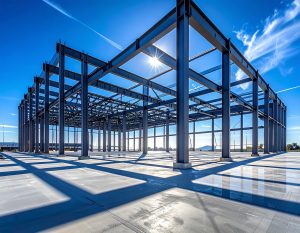
Containers shine where speed, mobility, and a rugged shell matter most: storage, offices, retail, accessory dwellings, and modular commercial space. For wide, open interiors or large clear spans, steel frame buildings often deliver more usable space for the money. Weigh the full cost rather than the price of the box alone, and line up flexible financing before committing, so the decision comes down to fit.
Thinking about a container or steel build in the Kansas City metro? We can price a container project honestly, shell to finish, or point you to a better fit. Request a free quote and we will lay out your options.