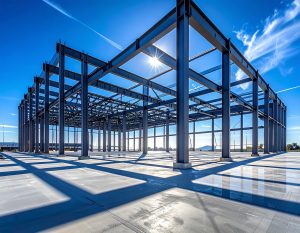
A steel frame building cost can swing from a few dollars per square foot to well over a hundred, and the reason is scope. A bare kit, an installed shell, and a finished, move-in-ready building are three different products with three different prices. This guide breaks down what each one costs in 2026, what drives the number, and what to budget for a project in the Kansas City metro.
The Short Answer
Steel building prices in 2026 have stabilized after several volatile years, though labor and freight keep gentle upward pressure on totals. Costs sort cleanly into three tiers based on how much work is included.
Scope | Per Sq Ft (2026) | What It Includes |
|---|---|---|
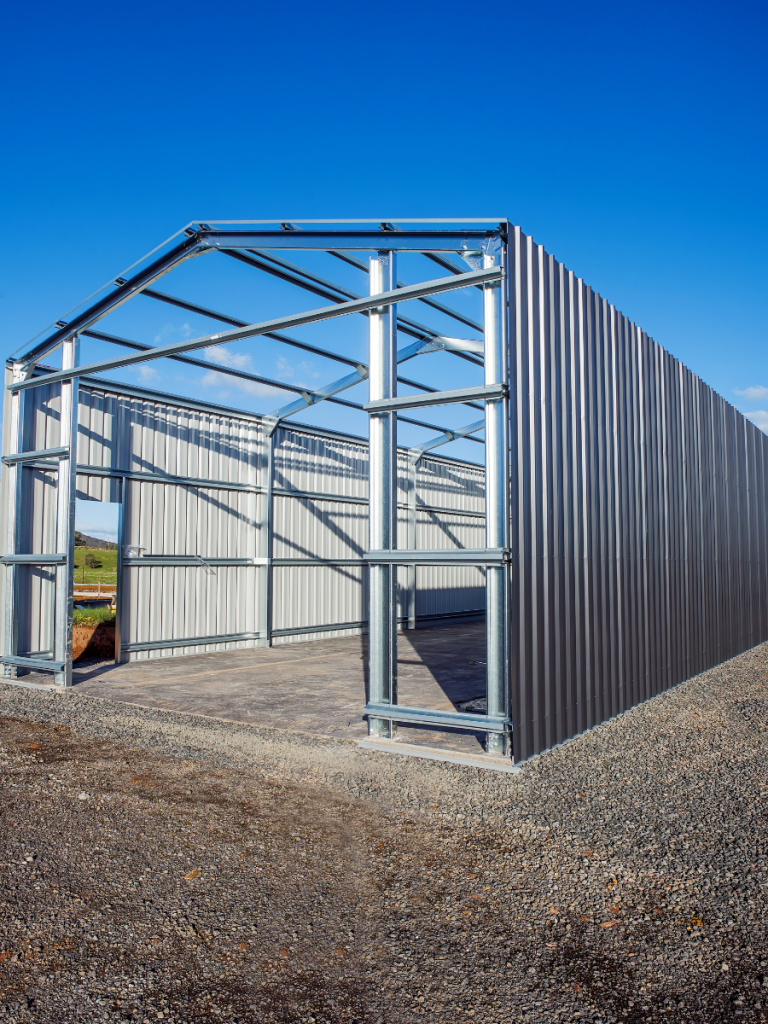
Kit only | $15 to $25 | Steel frame, roofing, siding, and hardware. No slab, delivery, or labor. |
Installed shell | $24 to $43 | The kit plus a concrete slab, delivery, and professional erection. The most common option. |
Turnkey finished | $50 to $100+ | The shell plus insulation, electrical, plumbing, HVAC, and full interior build-out. |
The same 40×60 building can read as $14 per square foot in an ad and $55 per square foot on a finished quote, with nothing changed but what the number counts. Always confirm the scope before comparing two prices.
Cost by Building Size
Larger buildings cost less per square foot because fixed costs like the foundation and framing spread across more floor area. At installed-shell pricing, common sizes land in these ranges:
- 30×40 (1,200 sq ft): roughly $29,000 to $52,000
- 40×60 (2,400 sq ft): roughly $58,000 to $103,000
- 60×100 (6,000 sq ft): often $15 to $22 per square foot, or about $90,000 to $132,000
Finishing the interior pushes these totals higher. A 40×60 shop with a slab, insulated overhead doors, electrical, and insulation commonly lands between $90,000 and $140,000 once it is built out.
What Drives the Price
Two buildings of the same size can differ by tens of thousands of dollars. These factors explain most of the gap:
- Use and finish: an open storage shell costs far less than a conditioned, finished shop or living space.
- Frame type: red iron rigid frames handle clear spans past 40 feet, while lighter tubular framing suits small residential builds at a lower cost.
- Wind and snow loads: local code requirements add steel and engineering to meet the demands of the site.
- Insulation: stricter 2026 energy codes push higher R-values for any conditioned space.
- Steel market: the price of steel remains the single largest variable in any quote.
Costs People Forget to Budget
The frame is only part of the total. These line items catch buyers off guard and belong in every budget:
- Foundation and concrete: roughly $5 to $12 per square foot, depending on soil and load requirements.
- Delivery and freight: a few hundred dollars for a nearby order, several thousand for a long-distance haul.
- Permits and site prep: grading, drainage, and inspections vary by jurisdiction.
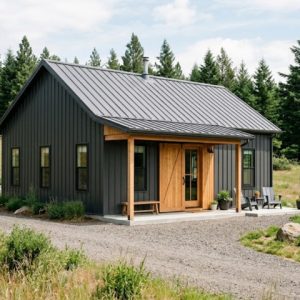
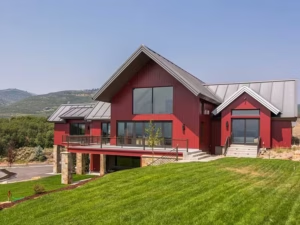
- Interior build-out: framing, drywall, mechanicals, and finishes carry the widest range. Finished living space in a steel shell, as in many barndominium projects, prices like any other interior at roughly $60 to $110 per square foot.
Steel Building Costs in the Kansas City Metro
Local conditions shape the final number more than most buyers expect. In Jackson, Cass, and Johnson counties, permit requirements set the snow and wind loads your frame must carry, which affects how much steel goes into the build. Kansas City winters also drive footing depth, so foundation cost climbs with frost-depth requirements. Footings across the metro typically reach 30 to 36 inches deep.
Pricing varies between suppliers for identical specs, often by thousands of dollars, so gather at least three quotes. Ordering in the fall or winter, when demand slows, can also improve your pricing.
How to Get an Accurate Number
Per-square-foot figures are useful for comparison and easy to misread. To price a project with confidence, force every quote into the same scope, then ask exactly what each one includes and excludes.
When you price steel frame buildings, line up your budget and flexible financing before you sign, so the scope you choose matches what you can fund.