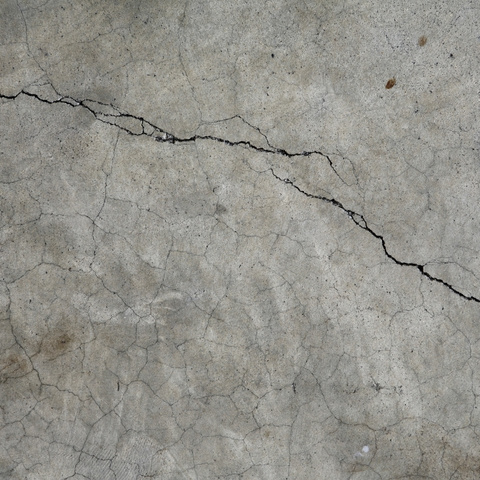
Types of Concrete Cracks and What They Mean
Timing and displacement separate a cosmetic crack from a slab that is failing, and most homeowners read the pattern backwards.

Timing and displacement separate a cosmetic crack from a slab that is failing, and most homeowners read the pattern backwards.
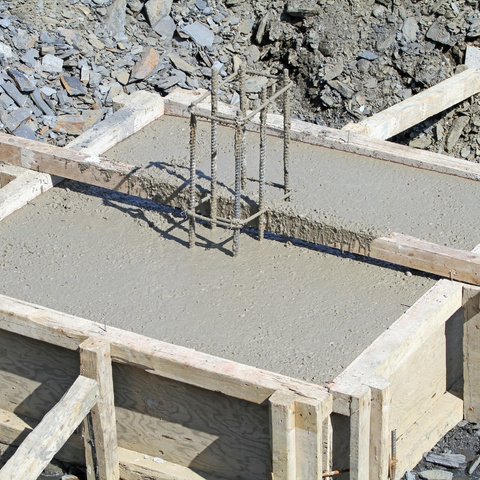
Footings poured above the frost line ratchet upward every winter until something above them fails: the 36-inch rule on both sides of the state line, where decks and detached structures differ, and the inspection that happens with the trench still open. Here is what to confirm before you pour.
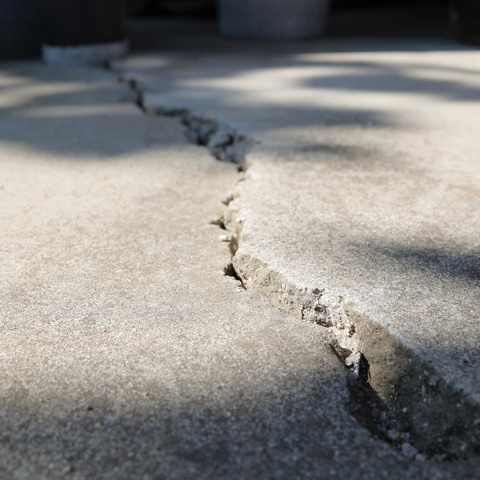
Cracks trace back to a short list of avoidable mistakes: the mix water that drives shrinkage, the subgrade prep that stops settlement, control joint spacing and depth, and the curing that protects against freeze-thaw. Here is what to get right before the pour.
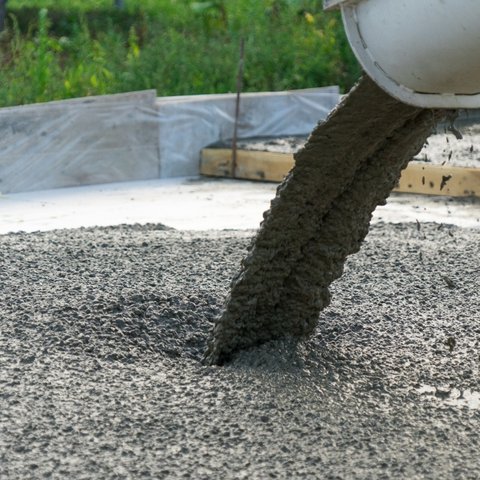
Pour timing decides whether a slab cures strong or fails its first winter: the temperature window that builds strength, the two seasons that cure it best, the summer and winter precautions, and the freeze that can cost half its strength. Here is when to schedule.
Moving from Miami to Singapore catches people off guard: long shipping times, a tax on your household goods, a work pass you need before arrival, and a car that should stay behind. Here is what to handle first.
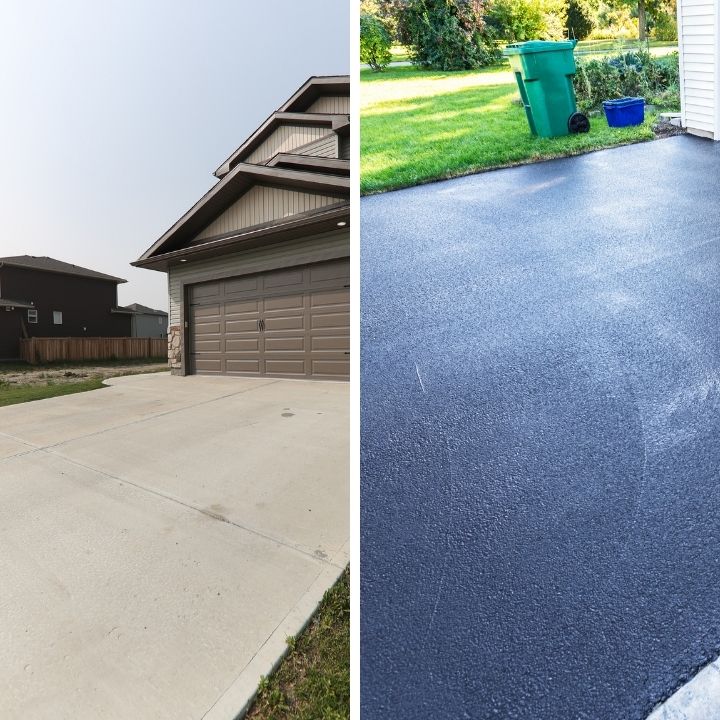
Choosing between concrete and asphalt for your Kansas City driveway comes down to budget, maintenance, and how long you plan to stay in the home. This guide breaks down what each material costs, how it holds up in Kansas City’s climate, and which one makes more sense for your situation.