Deciding what to do after hail damage in the first three days shapes everything that follows, because evidence disappears, contractors arrive, and the record you build now is the record an adjuster works from later. Hail claims rarely fail because the damage was not real. They fail because documentation was thin, temporary repairs destroyed the proof, or a contract got signed in a driveway before anyone measured anything. What follows is the sequence that protects both the roof and the claim.
Why the First Three Days Matter More Than the Next Three Weeks
Hail evidence degrades. Ice melts within hours. Granules wash into gutters and out downspouts with the next rain. Fresh bruising on a shingle mat oxidizes and becomes harder to date. Dents in soft metal stay, but a well meaning cleanup crew replaces the gutters before anyone photographs them.
The other clock is competitive. Crews follow storm tracks and canvass neighborhoods within a day or two of an event, and the pressure is engineered to produce a signature before the homeowner has a second opinion or an adjuster date. Nothing about a hail claim requires acting that fast. Everything about it requires acting carefully.
Document Everything Before It Changes
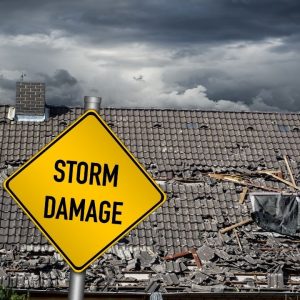
Photograph while the storm damage is fresh, from the ground and from inside, without climbing onto a wet or damaged roof.
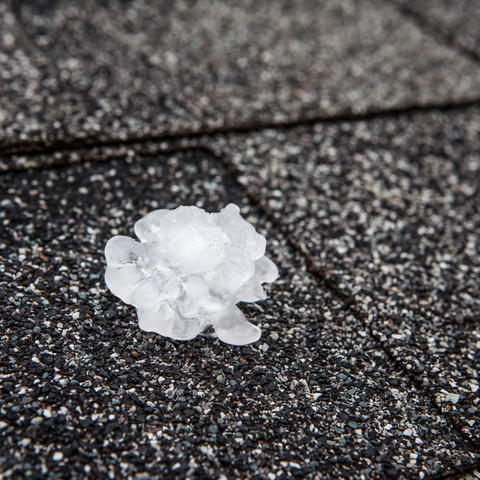
- Capture hailstones next to a coin or a ruler if any are still on the ground, with a timestamp
- Photograph the yard, driveway, deck, and patio showing impact marks and debris
- Shoot every elevation of the house from the ground, then zoom in on the roof planes
- Record the date, approximate time, and direction the storm came from
- Save the weather report or radar image for that date, since carriers verify the event before they verify the damage
- Check the attic for daylight, wet decking, or fresh water tracks and photograph anything found
Keep everything in one folder with the date in the filename. A claim that is questioned six weeks out is won by the person who can produce an organized record rather than a phone gallery that has to be scrolled.
Emergency Mitigation That Protects the Claim
Property policies carry a duty to protect the property from further damage. Ignoring an open roof and letting water run into the house for a week can reduce what a carrier pays for the interior. Acting on that duty is required. Acting on it carelessly destroys evidence.
Tarp over active openings and cover interior contents, but do not remove, replace, or repair damaged components before the roof has been inspected and photographed. A gutter that gets swapped out on day two is a gutter that cannot corroborate the hail event on day thirty.
Keep emergency mitigation invoices separate from any repair estimate. Carriers treat mitigation as its own category and reimburse it differently, and mixing the two into one document slows everything down. Take photographs before the tarp goes on, during, and after.
The Collateral Damage That Confirms a Hail Event
Adjusters do not evaluate the roof in isolation. Soft metal surfaces around the property record impact more clearly than shingles do, and their condition is often what establishes that hail of a damaging size actually fell on that address.
Look for dents and dimpling on gutters, downspouts, gutter aprons, and drip edge. Check the fins on the outdoor air conditioning unit, which flatten under impact and are among the most reliable indicators available. Examine window screens for tears or stretched mesh, garage doors and siding for dimples, mailboxes, grills, and vent caps for fresh strikes, and wood deck boards or railings for pocked marks in the grain.
Splatter marks matter too. Hail leaves clean spots on oxidized surfaces where the impact removed dirt, visible on painted metal and on the tops of fence rails. These fade with weather, which is another reason the first days carry weight.
What to Do After Hail Damage Before Signing Anything
The state line runs through this market and the rules differ on each side of it.
In Missouri, Section 407.725 of the Revised Statutes prohibits a contractor from advertising or promising to pay or rebate any part of an insurance deductible as an inducement to a sale, and that prohibition covers allowances, discounts, gifts, credits, and referral fees dressed up as something else. The same section bars a contractor from representing or negotiating on a homeowner’s behalf on an insurance claim connected to roofing or exterior work. It also gives the property owner the right to cancel a written contract paid through a property and casualty policy before midnight on the fifth business day after receiving written notice from the insurer that all or part of the claim is not covered. Violations fall under the Missouri Merchandising Practices Act.
In Kansas, the Kansas Roofing Registration Act requires roofing contractors to hold a registration certificate issued by the Attorney General before performing residential or commercial roofing services for a fee. Certificates expire annually on June 30, and the Attorney General’s office maintains a way to verify whether a certificate is legitimate. Violations are treated as deceptive or unconscionable acts under the Kansas Consumer Protection Act and carry civil penalties. General contractors meeting the criteria set out in 2015 legislation are exempt from the registration requirement, and a general contractor can request a letter of exemption confirming that status, which is worth asking about when comparing roofing contractors on the Kansas side.
Two sentences should end a driveway conversation on either side of the line. An offer to cover, waive, or absorb the deductible is prohibited in Missouri and is asking the homeowner to participate in a false claim. An offer to handle or negotiate with the insurance company is also prohibited there, and it should raise the same question anywhere else.
What the Adjuster Is Looking At
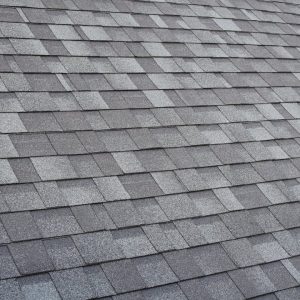
An adjuster inspects slope by slope and typically chalks a test square on each plane, counting impacts within that area to judge whether damage is consistent across the roof or concentrated on one exposure. Directional damage matters, since hail driven from the southwest will mark the southwest facing planes and leave the opposite side comparatively clean.
The distinction being drawn is between functional damage and cosmetic marking. A bruise that fractures the mat and dislodges granules shortens the life of the shingle and counts. Scuffing, blistering, manufacturing defects, and normal aging do not, and an adjuster will separate them out. Be present for the inspection. Walk the collateral evidence with them and point out the air conditioning fins, the screens, and the deck boards rather than waiting to see whether they get noticed.
Bring the roof’s age and any prior claim history to the conversation honestly. Policies increasingly settle older roofs on an actual cash value basis with depreciation withheld until repairs are completed, and knowing which basis applies changes what the first check means.
When the Estimate Does Not Cover the Scope
An initial estimate that omits work is common and correctable. Supplements exist for exactly this, and the path runs through documentation rather than argument. Items frequently missed include ridge and hip components, drip edge, pipe boots, flashing, ventilation, code required upgrades triggered by the extent of the work, and decking replacement that is not visible until tear off.
Permit thresholds matter here. Jurisdictions treat repairs above a certain percentage of the roof area as full replacements subject to current code, and a scope that crosses that line changes what the work legally requires. A contractor who documents these conditions and provides them to the homeowner is doing something different from a contractor who negotiates the claim, and in Missouri the difference is statutory rather than stylistic.
At residential roofing replacement, impact resistant shingles are worth pricing as an upgrade. They perform better under impact and many carriers discount premiums for them, though no asphalt shingle is hail proof and standard products remain vulnerable.
The Three Day Sequence in Order
Day one is documentation and mitigation. Photograph everything from the ground, tarp active openings, protect the interior, and leave damaged components in place.
Day two is verification and reporting. Confirm the storm date through weather records, walk the collateral evidence, file the claim with the carrier, and request the inspection appointment.
Day three is due diligence on contractors. Check registration and licensing for the correct state, confirm insurance and local references, and schedule an independent inspection with documentation provided in writing.
Nothing on that list requires a signature. The contract comes after the adjuster has been on the roof and after the scope is understood, and any pressure to reverse that order is information about the person applying it. Where a claim settles short of the full scope, financing options for home projects cover the gap without forcing a reduced repair.
Hail Inspection With Documentation You Can Use A.I. Building Solutions inspects the roof and the collateral evidence and provides written documentation and photographs you own. We do not negotiate your claim and we do not touch your deductible, because Missouri law prohibits both. Veteran owned general contractor serving Jackson, Cass and Johnson counties. GAF Commercial, GACO and IICRC certified. Call (816) 835-2094. |