Asphalt shingles cover the overwhelming majority of Kansas City rooftops, and the reasons go beyond habit. The material hits a balance of upfront cost, climate performance, repairability, and style range that no competing product matches for most homes in this market. This guide breaks down why asphalt dominates local roofs, and where its limits sit, so the choice is a decision rather than a default.
Cost That Fits Most Roofing Budgets
Asphalt shingles carry the lowest installed cost among the major roofing materials, and the gap to metal, tile, or slate is significant rather than marginal. Part of that comes from the material itself, and part comes from labor: nearly every roofing crew in the metro installs asphalt daily, so the work goes fast and competition keeps pricing honest.
Weight matters just as much as material price. Asphalt shingles install on standard residential framing with no structural modification. Tile and slate often require reinforcing the roof structure before a single piece goes on, which turns a roofing project into a framing project. For the typical Kansas City home, asphalt is the only premium-looking option that asks nothing extra of the house underneath it.
How Asphalt Shingles Perform in the Kansas City Climate
Kansas City sits in climate zone 4A, which delivers real winters, hot humid summers, and one of the more active severe weather corridors in the country. Asphalt shingles hold up to that mix better than their reputation suggests.
- Modern architectural shingles carry wind ratings that cover the straight-line winds most metro storms produce, provided the installation follows the nailing spec.
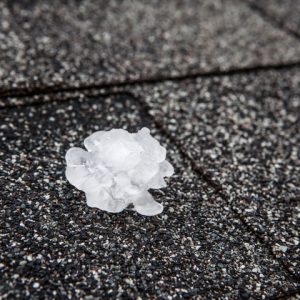
- Class 4 impact-rated shingles give homeowners a hail-resistant option within the same material family. They resist hail measurably better than standard shingles, though no shingle is hail-proof, and many insurers offer premium discounts for them.
- The material tolerates freeze-thaw cycling and seasonal expansion without the cracking risk that affects rigid materials like tile in this climate.
- Algae-resistant granule blends handle the dark streaking that humid summers used to leave on older roofs.
Storm Repairs Are Fast and Insurance-Friendly
Severe weather is a fact of owning a roof in this metro, and asphalt turns that liability into a manageable one. Damaged sections can be repaired shingle by shingle, matching products are stocked locally, and any qualified crew can complete the work quickly. Insurance carriers process asphalt claims constantly, so adjusters, contractors, and suppliers all speak the same language, which shortens the path from storm to settled claim. Knowing what to do after storm damage still matters, because documentation and timing decide how smoothly that process runs. Compare that to specialty materials, where matching product may take weeks to source and qualified installers are scarce.
Style Range That Fits Any Neighborhood
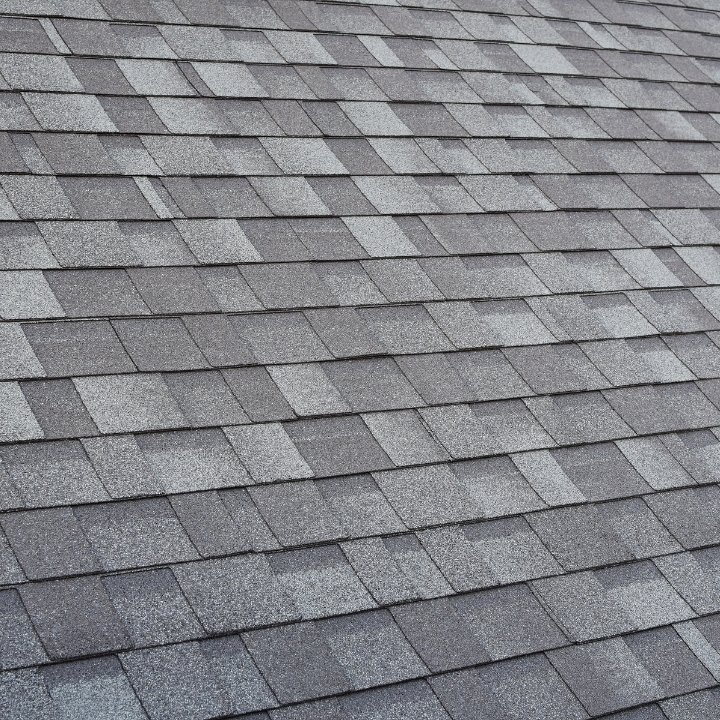
Asphalt is no longer the flat three-tab look of decades past. Architectural shingles create dimensional profiles that mimic wood shake, and designer lines approximate slate at a fraction of the weight and cost. Color options run from traditional charcoal and weathered wood to blues, greens, and blended tones. That range means asphalt clears HOA requirements, matches historic neighborhoods, and suits new construction equally well, which is part of why it stays the default across every price tier of the metro housing market.
Where Asphalt Shingles Fall Short
An honest comparison includes the trade-offs. Metal roofing outlasts asphalt by decades and sheds snow better. Asphalt absorbs more summer heat than reflective metal, which puts more load on attic ventilation. And shingle lifespan in this climate runs shorter than manufacturer marketing implies. For owners planning to hold a property for forty years, or roofing a structure where lifespan outweighs upfront cost, metal deserves a serious look. For most homeowners on most houses, the math still lands on asphalt.
The Bottom Line for Kansas City Homeowners
Asphalt shingles stay popular here because the product fits the local reality: affordable enough to replace on a storm cycle, tough enough for the climate when the right rating is specified, repairable by any qualified crew, and available in styles that suit any street in the metro. The material choice matters less than the spec and the installation behind it, which is where professional residential roofing services earn their keep: matching wind and impact ratings to the exposure, following manufacturer nailing patterns, and getting the ventilation right so the shingles deliver every year they were built for.