A horse owner in Cass County plans pipe fencing for horses around a new pasture. To keep the cost down, the design uses four rails on a 5-foot fence. The math leaves gaps of about 16 inches between rails, wide enough for a young horse to push its head through and panic when it cannot pull back out.
Welded steel pipe fencing is one of the strongest and most visible fence types available for horses, but its safety depends on measurements. Height, rail gaps, post depth, gate details and weld finish all decide whether the fence contains horses without injuring them. This guide covers each detail, using extension research and Kansas City site conditions.
Why Steel Pipe Works for Horse Fencing
Horses hit fences harder than most livestock. They are larger and faster, and when a horse gets caught in a fence, it fights harder than other animals to break free. A horse fence has to stay standing after an impact and give the horse nothing to catch on.
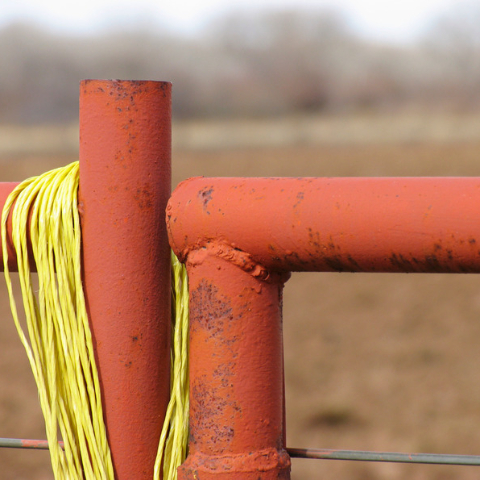
A welded pipe fence has steel posts set in concrete with horizontal pipe rails welded between them. That construction gives it several advantages for horse properties:
- Strength. Welded joints hold the fence in alignment when horses lean, rub or run into it.
- Visibility. Painted pipe rails read as a solid barrier, so horses are less likely to challenge them.
- Low maintenance. University of Minnesota Extension rates steel pipe as a low-maintenance fence with a 15 to 20 year service life.
- Permanence. The fence does not sag, loosen or need restretching.
The same rigidity that makes pipe fence strong means it does not flex on impact. That is why layout, rail spacing and edge finishing matter more on pipe than on fence types that give. Many acreage properties pair a pipe fence with a barndominium or a steel frame horse barn, so the fence, gates and buildings can be planned as one layout.
Pipe Fence Height for Horses
Horse fences generally stand 54 to 60 inches above the ground. The right height depends on where the fence sits and which horses it holds. The University of Georgia Extension and other extension sources recommend:
- Perimeter pasture fence: 5 feet (60 inches) minimum. This height discourages most horses from jumping and keeps people from reaching over to feed or pet them.
- Pasture dividers: about 4 1/2 feet (54 inches) between compatible horses.
- Paddocks, corrals and stallion pens: top rail at eye level with the horse’s head in a natural upright position, usually 4 to 6 inches above the withers.
- Corrals, arenas and round pens: 5 to 6 feet, according to USDA Forest Service guidance.
- Tall breeds and horses known to jump: 6 feet on perimeter fences.
Fence along a road or highway should never drop below the 60-inch perimeter minimum, since an escaped horse there can reach traffic.
Rail Spacing and Bottom Clearance
Rail spacing is an easy place to cut cost, and it directly affects the risk of entrapment. Penn State Extension recommends keeping open spaces between rails at 12 inches or less. Larger openings let a horse put its head or leg through and become trapped.
At the bottom of the fence, two measurements apply:
- About 8 inches of clearance under the bottom rail keeps hooves from getting trapped and discourages horses from reaching under for grass.
- A bottom rail no higher than 12 inches keeps foals from rolling under the fence. This matters most in mare and foal paddocks.
Those limits decide the rail count. On a 60-inch fence with the bottom rail at 12 inches, the remaining 48 inches have to be divided into openings of 12 inches or less. That takes five rails, set at roughly 12, 24, 36, 48 and 60 inches. A four-rail fence at the same height leaves gaps of about 16 inches.
Shorter fences follow the same rule. A 54-inch pasture divider with the bottom rail at 10 inches meets the 12-inch limit with five rails spaced 11 inches apart. Check the layout against the horses that will use each section.
Post Spacing, Size and Depth
Extension guidance for rail fences puts posts 8 to 10 feet apart. On a welded pipe fence, the final spacing depends on the rail pipe size and wall thickness, since a longer span needs a stiffer rail to resist sag and impact. Spacing should also divide the fence line evenly, so the run does not end with one short section.
A rail fence is only as strong as its weakest section, so line posts should be the same size along the full run. Corner and gate posts carry more load. Penn State Extension recommends:
- Line posts: set about 36 inches deep
- Corner and gate posts: about 25 percent larger in diameter than line posts, set about 48 inches deep
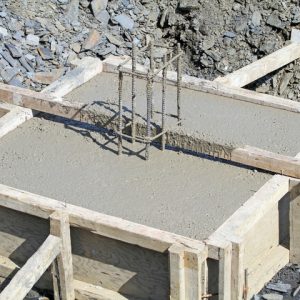
That line post depth matches the 36-inch frost depth Kansas City uses for building footings. Posts set shallower than the frost line are more likely to heave as the ground freezes and thaws, which pulls rails out of level and strains welds. Posts set in concrete need clean holes, consistent footings and proper drainage at the surface, the same fundamentals behind any concrete work.
Sloped pastures need extra planning. Pipe rails can be stepped down a slope in level sections or angled to follow the grade, and each option affects how the bottom clearance changes along the run.
Safety Details That Prevent Injuries
Many horse fence hazards are small details: an edge, a gap or a corner. A pipe fence built for horses should include:
- Smooth welds and ground edges. The horse side of the fence should be smooth. Weld spatter, sharp cut ends and uneven joints can cut a horse that rubs or leans on the fence.
- Capped posts and pipe ends. Caps keep rainwater out of hollow posts, which prevents rust from forming inside. They also keep bees and wasps from nesting in open pipe.
- Rails on the horse side. Mounting rails on the inside face of the posts, where the design allows, keeps horses from running directly into posts.
- Rounded corners. In multi-horse pastures, rounded corners keep a dominant horse from trapping a subordinate one in a tight angle.
- No protrusions. Brackets, bolts and hardware should not stick out on the horse side.
- High visibility. A painted finish in a color that contrasts with the pasture helps horses see the fence line, especially when spooked.
For horses that habitually lean, scratch or reach over fences, a single strand of electric wire can be run 4 to 6 inches above or just inside the top rail. Stallions and high-value horses are usually best kept behind double fencing, with an alley between adjacent paddocks so horses cannot fight over the fence line.
Gates for Pipe Horse Fencing
Gates see more contact than any other part of the fence. Extension guidance for horse gates includes:
- Height: level with the top of the fence
- Width: 12 to 16 feet for tractors and vehicles, and at least 4 feet for a horse and handler, with 5 feet preferred
- Material: horse-safe tubular steel, around 1 3/8-inch outside diameter, with smooth corners and welded cross pipes
- No gaps: no openings between the gate and the post where a hoof or a foal’s head can get caught
- One-hand latch: a latch that works with one hand, since the other hand is usually holding a lead rope
- Hold-open latch: a way to secure the gate fully open against the fence
- Placement: set back 40 to 60 feet from the road
Gate posts should be larger in diameter and set deeper than line posts, since they carry the gate’s weight every time it swings. Gates placed across an alley from each other can also create a simple chute for moving horses between paddocks. Entry gates, custom frames and ranch-style arches are fabrication work that calls for custom welding and fabrication.
Coating and Maintenance in Kansas City Weather
Kansas City’s freeze-thaw winters and humid summers are hard on exposed steel. University of Georgia Extension recommends galvanized steel posts for permanent fencing and notes that a heavier galvanizing class adds years of life in humid climates. Painted pipe needs a primer and topcoat suited to exterior steel, applied over clean metal.
A yearly inspection keeps a pipe fence safe:
- Check welds for cracks, especially at gates and corners
- Look for posts that have heaved, leaned or loosened in their footings
- Touch up chipped paint before rust spreads under the coating
- Replace missing post caps
- Check gate latches and hinges for wear
Bent rails and broken welds should be repaired promptly, since a damaged section is where a horse is most likely to get hurt. Mobile welding allows repairs on site without removing fence sections.
Missouri Fence Law Basics for Horse Owners
Missouri fence law also shapes how a perimeter fence is planned. According to University of Missouri Extension, Jackson, Cass, Clay and Platte counties are not on the state’s list of local option counties, so general fence law appears to apply in them. Under general fence law, a lawful fence is at least 4 feet high, with posts no more than 12 feet apart, and strong enough to contain large livestock.
Under RSMo 272.030, an animal owner can be held liable for damage caused by escaped livestock if the owner was negligent in maintaining a lawful fence. A horse pipe fence built to the heights above exceeds the lawful fence minimum. Properties on the Kansas side fall under Kansas law instead, and boundary questions on a specific property should go to an attorney.
Key Points for Pipe Fencing for Horses
- Build perimeter fence at least 60 inches tall, and 54 inches for dividers between compatible horses.
- Keep openings between rails at 12 inches or less, with about 8 inches of clearance under the bottom rail.
- Set line posts about 36 inches deep and corner and gate posts about 48 inches deep.
- Grind welds smooth, cap every post and round the corners in shared pastures.
- Hang gates level with the fence, with no gaps at the posts and a one-hand latch.
Get a Horse-Safe Pipe Fence Built Right A.I. Building Solutions is a veteran-owned contractor that builds welded steel pipe fencing for horse and livestock properties across the Kansas City metro. Our team can lay out rail spacing, gates and corners for your herd and your terrain. Call (816) 835-2094 or request a free quote. |