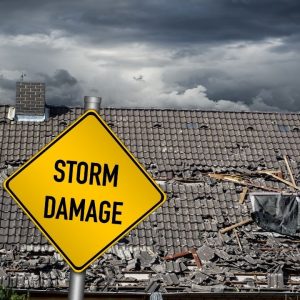
A spring storm moves through, a water stain appears on the bedroom ceiling, and two contractors give two different answers: one quotes a repair, the other quotes a full replacement. The roof repair vs replacement decision is rarely about the leak itself. It depends on the age of the roof, the condition of the layers underneath, and how much life the rest of the roof has left.
When roof repair makes sense
A repair is the right choice when the problem is isolated and the rest of the roof is sound. Typical examples:
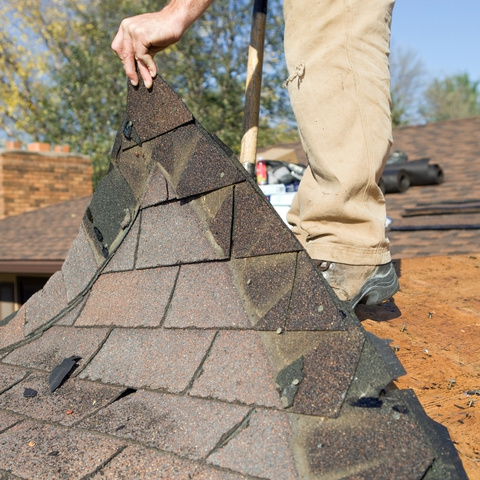
- A few shingles lifted or torn off by wind, with the surrounding shingles still flexible and well adhered.
- A flashing failure around a chimney, skylight or wall, where the leak traces to one detail rather than the field of the roof.
- A cracked or dried-out pipe boot, which often fails well before the shingles around it.
- Minor damage on a roof that is still early in its service life.
The deciding factor is what sits under the damaged area. If the roof decking is dry and solid, and matching shingles are available, a targeted repair restores the roof without shortening its life.
When roof replacement is the better option
Replacement makes more sense when the problem is the roof as a whole rather than one spot. Signs that point that way:
- Widespread wear. Curling, cracking or heavy granule loss across multiple slopes means the shingles are aging out, not failing in one place.
- Repeat leaks. A roof that needs a new repair every season is showing system failure. Each patch addresses a symptom.
- Soft or damaged roof decking. Sagging areas or spongy spots underfoot mean the sheathing has absorbed water, and shingles cannot be properly fastened to compromised decking.
- Late in its service life. Spending on a significant repair to a roof near the end of its expected life often buys only a few years.
The number printed on a shingle bundle is a materials warranty, not a prediction of lifespan. Actual service life depends on installation quality, attic ventilation, sun exposure and storm history, so age alone should be weighed alongside condition.
The code limit on layering new shingles over old
Installing a new layer over the existing roof, called a recover, is sometimes offered as a lower-cost middle ground. The residential building code sets firm limits on it.
Under IRC Section R908.3.1.1, a recover is not permitted when any of these conditions apply:
- The existing roof is water soaked or deteriorated to the point that it cannot serve as a base for new roofing.
- The existing covering is slate, clay, cement or asbestos-cement tile.
- The roof already has two or more layers of any type of covering.
Kansas City’s residential code is based on the 2018 IRC, which includes this section. Even where a recover is allowed, it hides the condition of the roof decking, adds weight to the structure, and leaves damaged material in place under the new shingles. Permit requirements for roof work vary by city across the metro, so confirm with the local building department before work begins.
Five questions that decide roof repair vs replacement
Work through these in order. The answers usually settle the decision.
- How old is the roof relative to its expected service life? A young roof with isolated damage favors repair. A roof in its final years favors replacement.
- How much of the roof is affected? Damage limited to one slope or one detail is a repair. Wear distributed across the whole roof is a replacement.
- What condition is the roof decking in? Check the attic for staining, daylight through the boards, or soft sheathing. Decking damage beyond a small area pushes toward replacement.
- What is the repair history? Add up what has been spent on repairs in recent years. Rising repair frequency is a signal the roof is past the point where patching is cost effective.
- How long will the home be owned? A homeowner selling within a year or two may reasonably choose a sound repair. One planning to stay for a decade or more will usually pay less over time with a replacement.
How storm damage and insurance change the decision
Hail and wind are the most common reasons Kansas City homeowners face this decision. Standard asphalt shingles are hail resistant, not hail proof, and hail damage often shows as bruised or cracked mats and displaced granules that are difficult to spot from the ground.
When damage follows a storm, insurance coverage can shift the math:
- Document first. Photograph damage inside and out before any repair work, including interior stains and damaged gutters or vents.
- Understand the policy basis. Some policies pay replacement cost, others pay actual cash value, which subtracts depreciation based on roof age. An older roof on an actual cash value policy may receive a settlement well below the cost of replacement.
- Check filing deadlines. Policies set time limits for reporting storm damage. Waiting until the next leak can put a claim at risk.
If the adjuster approves replacement, it is worth considering impact-resistant shingles, which are an upgrade option rather than standard. They carry a higher rating for hail resistance, and some insurers offer premium reductions for them.
Common mistakes that lead to paying for both
Most expensive outcomes trace back to one of these:
- Patching over wet decking. New shingles fastened to deteriorated sheathing fail early and trap moisture underneath.
- Choosing a recover to save on tear-off. The savings are real in the short term, but the next replacement costs more because two layers must come off, and hidden decking damage keeps getting worse.
- Mismatched repairs. Shingle lines are discontinued over time, and a repair that does not match the existing roof can affect resale value and insurance claims on the rest of the roof.
- Ignoring ventilation. A roof that failed early often failed because of poor attic ventilation. Replacing the shingles without correcting airflow repeats the problem on the new roof.
- Deciding on the repair quote alone. Comparing a single repair price to a replacement price leaves out the repairs that will follow. The honest comparison is total expected spending over the time the home will be owned.
Making the decision
The roof repair vs replacement question comes down to a few factors: whether the damage is isolated or widespread, whether the roof decking is sound, how much service life remains, and whether code allows a recover at all. Storm damage adds insurance timing to the decision, and ventilation problems need to be addressed either way.
If you are weighing a repair quote against a replacement, we can inspect the roof, check the decking and ventilation, and tell you plainly which option makes sense. Learn more about our residential roofing services, review flexible financing options for roof replacement, or contact us for a free quote.